INDUSTRIAL ejectors

SIDERURGY industry
The SIDERURGY industry ejectors are powered by an external high pressure & low flow blower or by fixed or mobile compressors.
The induced air flow is 5–30 times the input flow.
Main applications: furnaces, ovens, pots, molten metal manipulation, high temperature cooling, hot gas extraction, dust collection, industrial vacuum cleaners, exhaust, rotor fan replacement and upgrade. (photo Italbronze)
Usual ejector types for this application are:

COTTON industry
The COTTON industrial ejectors have no mechanical moving parts.
They are powered by external high pressure & low flow blowers or fixed/mobile compressors.
The induced air flow is 5–12 times the input flow.
Main applications: cotton fibers pneumatic transport and dust extraction.
Using ejectors improves cotton quality because fibers are no longer hit by rotor blades. (photo Rieter)
Usual ejector types for this application are:

ALUMINUM industry
The ALUMINUM industrial ejectors have no mechanical moving parts.
They are powered by external high pressure & low flow blowers or fixed/mobile compressors.
The induced air flow is 5–30 times the input flow.
Main applications: furnaces, ovens, pots, molten metal manipulation, high temperature cooling, hot gas extraction, dust collection, industrial vacuum cleaners, HVAC, exhaust, rotor fan replacement and upgrade. (photo ALRO)
Usual ejector types for this application are:
WOOD industry
The WOOD industrial ejectors have no mechanical moving parts.
They are powered by external high pressure & low flow blowers or fixed/mobile compressors.
The induced air flow is 5–30 times the input flow.
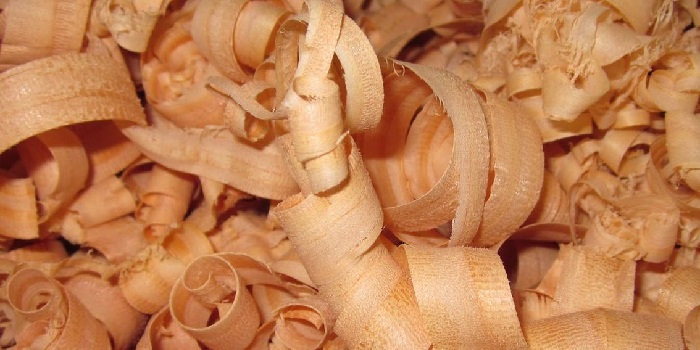
Main applications: wooden dust and sawdust extraction and collection, vacuum cleaners, exhaust, ventilation, cooling air and mechanical hot parts such as bands and motors. (photo woodbusinessportal.com)
Usual ejector types for this application are:

TEXTILE industry
The TEXTILE industrial ejectors have no mechanical moving parts.
They are powered by external high pressure & low flow blowers or fixed/mobile compressors.
The induced air flow is 5–12 times the input flow.
Main applications: textile dust and waste extraction and collection, pneumatic transport of textile waste, vacuum cleaners, exhaust, ventilation, cooling air and mechanical hot parts such as motors. (photo hej-support.org)
Usual ejector types for this application are:

HVAC industry
The HVAC ejectors have no mechanical moving parts.
They are powered by external high pressure & low flow blowers or fixed/mobile compressors.
The induced air flow is 7–25 times the input flow.
Main applications: ventilation, cooling, convective heaters, exhaust, fan rotor replacement and update, duct flow efficiency.
Ejectors may be placed in less accessible zones where no maintenance is needed. (photo alphamep.net)
Usual ejector types for this application are:

HEALTH & WELLNESS SPA industry
The SPA ejectors have no mechanical moving parts.
They are powered by external high pressure & low flow blowers or fixed/mobile compressors.
The induced air flow is 7–25 times the input flow.
Main applications: ventilation, cooling, convective heaters, exhaust, aerosol generation, fan rotor replacement and duct flow efficiency.
Ejectors may be placed in corrosive air or water without any damages. (photo Aqvatonic Steaua de Mare Hotel)
Usual ejector types for this application are:

HEALTHCARE industry
The HEALTHCARE industry ejectors have no mechanical moving parts.
They are powered by external high pressure & low flow blowers or fixed/mobile compressors.
The induced air flow is 7–25 times the input flow.
Main applications: ventilation, cooling, convective heaters, exhaust, waste handling and pneumatic transport.
Ejectors may be placed in bio-pathogenic zones without any maintenance. (photo practicefounders.com)
Usual ejector types for this application are:

FOOD industry
The FOOD industry ejectors have no mechanical moving parts.
They are powered by external high pressure & low flow blowers or fixed/mobile compressors.
The induced air flow is 7–25 times the input flow.
Main applications: ventilation, cooling, convective heaters, exhaust, grain pneumatic transport, powder conveying systems.
Stainless steel ejectors may be placed in very hot and abrasive zones without any maintenance. (photo gastroback.de)
Usual ejector types for this application are:

DEFENSE industry
The DEFENSE industry ejectors have no mechanical moving parts.
They are powered by external high pressure & low flow blowers or directly by steam, vapor, water or air.
The induced air flow is 2–85 times the input flow.
Main applications: aerospace, drones, marine, hovercrafts, tanks, automobiles, rockets.
Stainless steel ejectors may be placed in very dangerous zones without any maintenance. (photo IAR 99 Hawk RO Army)
Usual ejector types for this application are:

AUTOMOTIVE industry
The AUTOMOTIVE industry ejectors have no mechanical moving parts.
They are powered by external high pressure & low flow blowers or directly from exhaust gases.
The induced air flow is 2–10 times the input flow.
Main applications: exhaust noise control, forced motor gas exhaust, increasing engine power, active 100g centrifugal separators and collectors for PM2.5 and PM10, air ejector superchargers or under exhaust gases. (photo Duster Dacia Group Renault)
Usual ejector types for this application are:

PLASTIC industry
The PLASTIC industry ejectors have no mechanical moving parts.
They are powered by external high pressure & low flow blowers or fixed/mobile compressors.
The induced air flow is 5–17 times the input flow.
Main applications: plastic waste pneumatic transport, plastic pellets and granules pneumatic transport, ventilation and exhaust.
Ejectors may be placed in very dangerous zones without any maintenance. (photo joc.com)
Usual ejector types for this application are:

RECYCLE industry
The RECYCLE industry ejectors have no mechanical moving parts.
They are powered by external high pressure & low flow blowers or fixed/mobile compressors.
The induced air flow is 5–17 times the input flow.
Main applications: waste pneumatic transport, glass granules, pellets and other granules pneumatic transport, ventilation and exhaust.
Ejectors may be placed in very dangerous zones without any maintenance. (photo resource.co)
Usual ejector types for this application are: